



Contents
Micro Loop Hair Extensions:Pros, Cons and Care Guide
Micro loop hair extensions (also known as micro link or micro bead extensions) are a semi-permanent hair extension method that uses tiny metal or silicone rings to attach extension strands to natural hair. This technique is celebrated for its heat-free, glue-free, and chemical-free application, making it a gentle alternative for most hair types. According to dermatology experts from the British Skin Foundation and the American Academy of Dermatology, micro loop extensions are among the least damaging hair extension methods available.
How Do Micro Loop Hair Extensions Work?
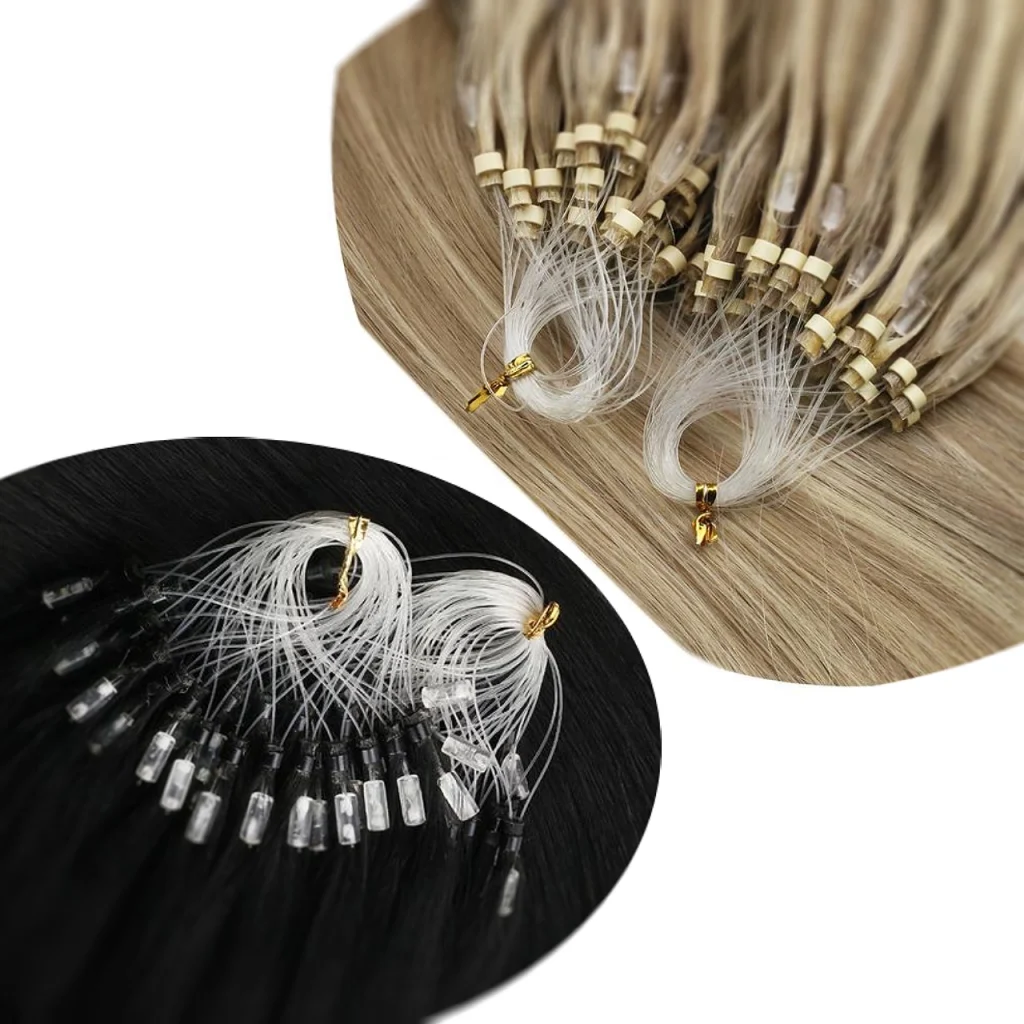
Micro loop hair extensions are applied using a small metal ring tool. The stylist threads the extension strand through the micro ring, then uses a clamping tool to secure the ring tightly around the natural hair and extension. No heat, glue, or chemicals are used in the process, making it a gentle alternative to other methods.
Pros of Micro Loop Hair Extensions
- Minimal Damage to Natural Hair:No adhesives or heat are used, reducing breakage risk.
- Suitable for Fine Hair:Ideal for fragile or thin hair types.
- Reusable and Cost-Effective:Extensions can be removed and reinstalled.
- Natural Look and Comfort:Micro rings are discreet and allow easy styling.
Cons of Micro Loop Hair Extensions
- Time-Consuming Application:Takes 2–4 hours for a full head.
- Maintenance Requirements:Adjustments needed every 6–8 weeks.
- Risk of Tension Alopecia:Incorrect installation may cause hair loss.
The British Skin Foundation says Alopecia is a general term for hair loss. Traction Alopecia is a type of hair loss caused by constant pulling (“traction”). The pulling is usually on some hairs more than others leading to the development of bald patches. Often, this type of alopecia is due to the hairs being pulled repeatedly by tight hairstyles.
Installation of Micro Loop Hair Extensions
- Prepare Hair: Ensure hair is completely dry, detangled, and smooth. Divide hair into sections.
- Take a Small Section: Isolate a very thin section of your natural hair. The thickness should be enough to fill 80% of the micro ring.
- Thread the Hair: Use a loop threader tool to pull the isolated section of natural hair through the micro ring.
- Position the Ring: Slide the ring up the natural hair strand to approximately 1 cm from the scalp.
- Clamp the Ring: Using specialist micro pliers, squeeze the end of the metal ring firmly until it is flat and secure. You should hear a ‘click’.
- Repeat: Continue applying the extensions in a staggered, zig-zag pattern throughout the hair for even distribution.
The micro links are tiny and hidden perfectly in my hair. No damage, no glue, and they feel very strong. The only downside is you have to be a bit careful with tight collars. Worth it for the length and volume! ——Costumer
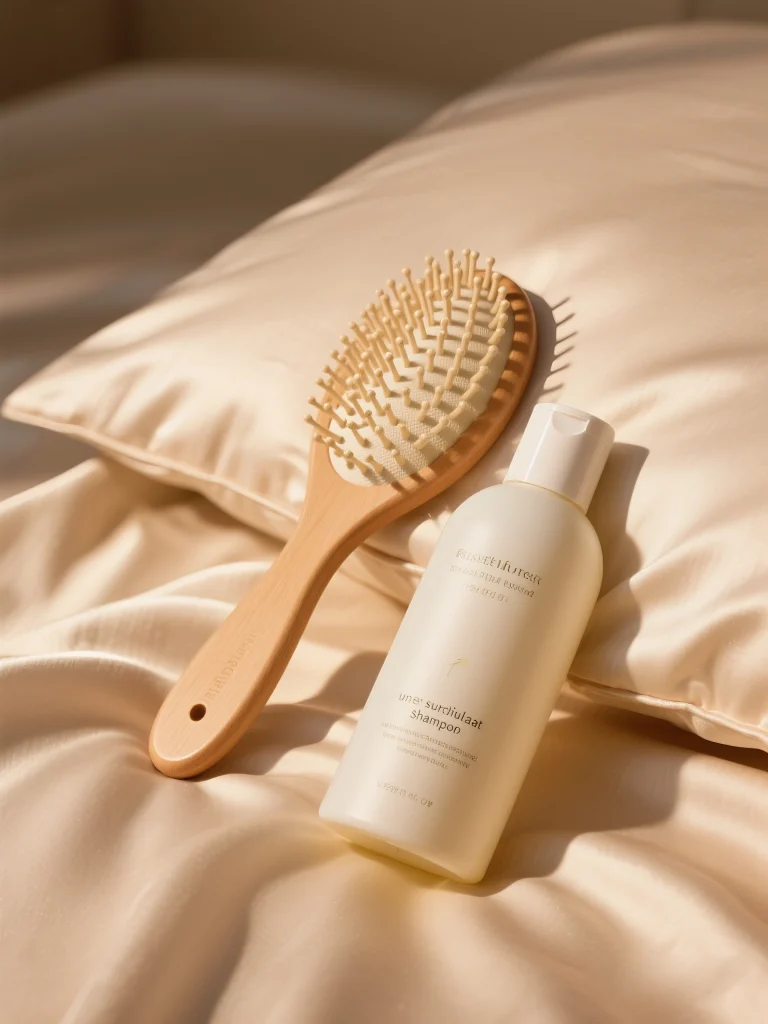
How to Care for Hair Micro Ring Extensions
Final Thoughts
Micro loop hair extensions offer a natural, damage-free way to add length and volume to your hair. However, they require commitment in terms of time, cost, and upkeep. Consult a certified stylist to ensure the extensions are suitable for your hair type and to minimize the risk of tension-related damage.
Feel free to reach out to us if you have any questions about our hair products or need assistance in making the right choice for your hair extensions!

(blog)
Environmental, Social, and Governance (ESG),Remy: cuticle-aligned human hair ,Virgin: unprocessed human hair,Frequently Asked Questions (FAQ),